A Cautionary Tale of Dinosaurs, Typewriters, and Betamax
There comes a time in every accountant’s life when they look up from their sea of spreadsheets, glance around the office, and ask themselves, “Is this really the future?” For me, that moment came in 2001, and the answer was a resounding no.
Let me explain. I didn’t leave the profession because I hated numbers. I didn’t burn my CPA license in some dramatic bonfire of defiance (though that would have made for a good story). No, I left because I realized that public accounting had no value to add to the bookkeeping services business—and no desire to evolve.
A Land Before Time (a.k.a. The CPA Office)
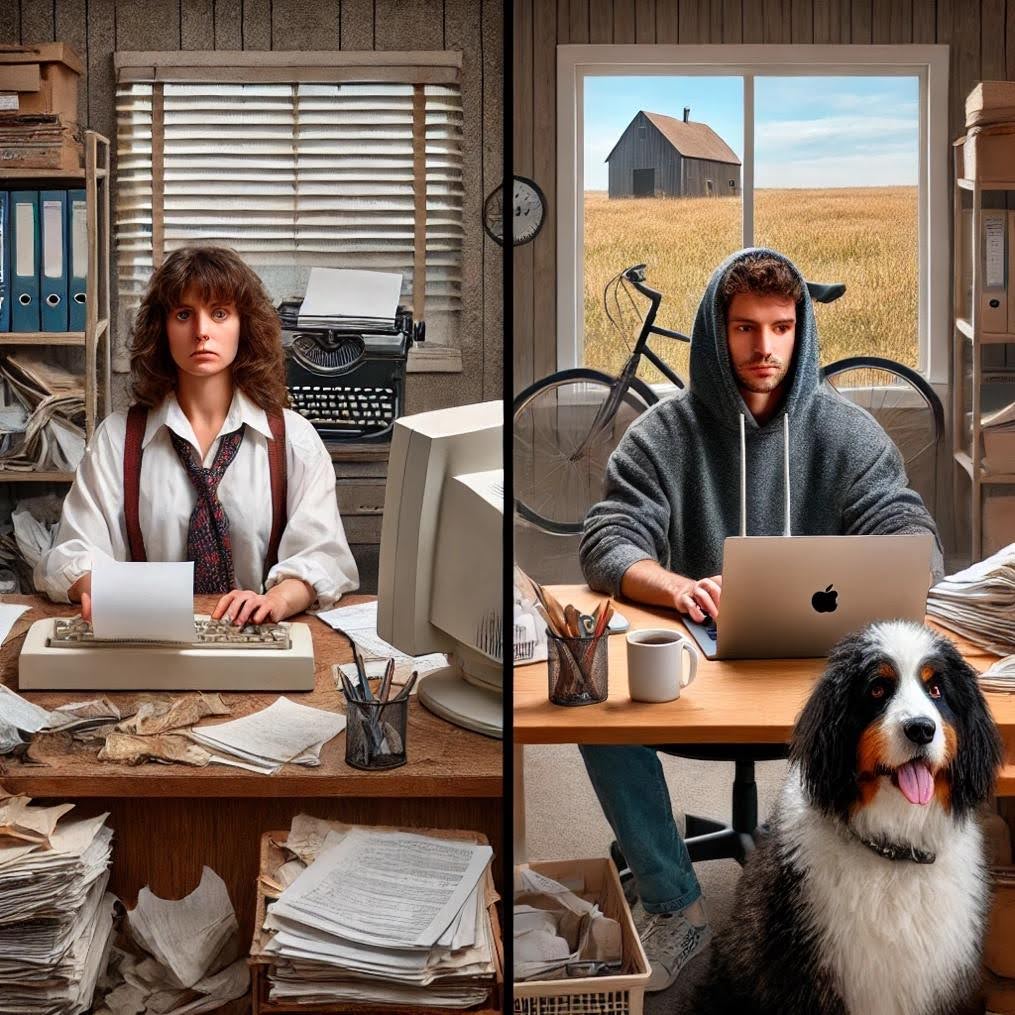
If you’ve ever stepped into a traditional CPA firm, you might have felt like you were stepping into a museum exhibit on mid-century office work—complete with typewriters, dot matrix printers, and a general resistance to anything invented after 1975.
Many CPAs treated bookkeeping like a necessary evil, something to be tolerated but never truly valued. Meanwhile, I saw an opportunity to redefine the entire process—to take something slow and inefficient and make it scalable, precise, and even (gasp) profitable.
But that’s the problem with being an innovator in a room full of dinosaurs.
The Betamax of Accounting
I’ve often compared my journey to Betamax vs. VHS. For those too young to remember, Betamax was a technically superior video format that lost to VHS because VHS had longer recording times and better market adoption. In other words, Betamax was better, but VHS won because it was good enough and widely accepted.
I built something better. I saw inefficiencies that no one else cared about and created an architecture that streamlined bookkeeping. But CPAs weren’t interested. They were the VHS of accounting—entrenched, widely adopted, and uninterested in upgrading to Betamax, even if it was objectively better.
That’s when I realized: I didn’t need to convince them. I just needed to build something better and use it myself.
The Typewriter vs. AI Battle
If you could travel back in time to the 1970s and introduce an AI-powered accounting system to a group of CPAs hunched over their IBM Selectric typewriters, how do you think they’d react?
They’d probably say:
- “We don’t need that. Our system works just fine.”
- “Computers? We don’t trust those.”
- “Come back when someone else is using it.”
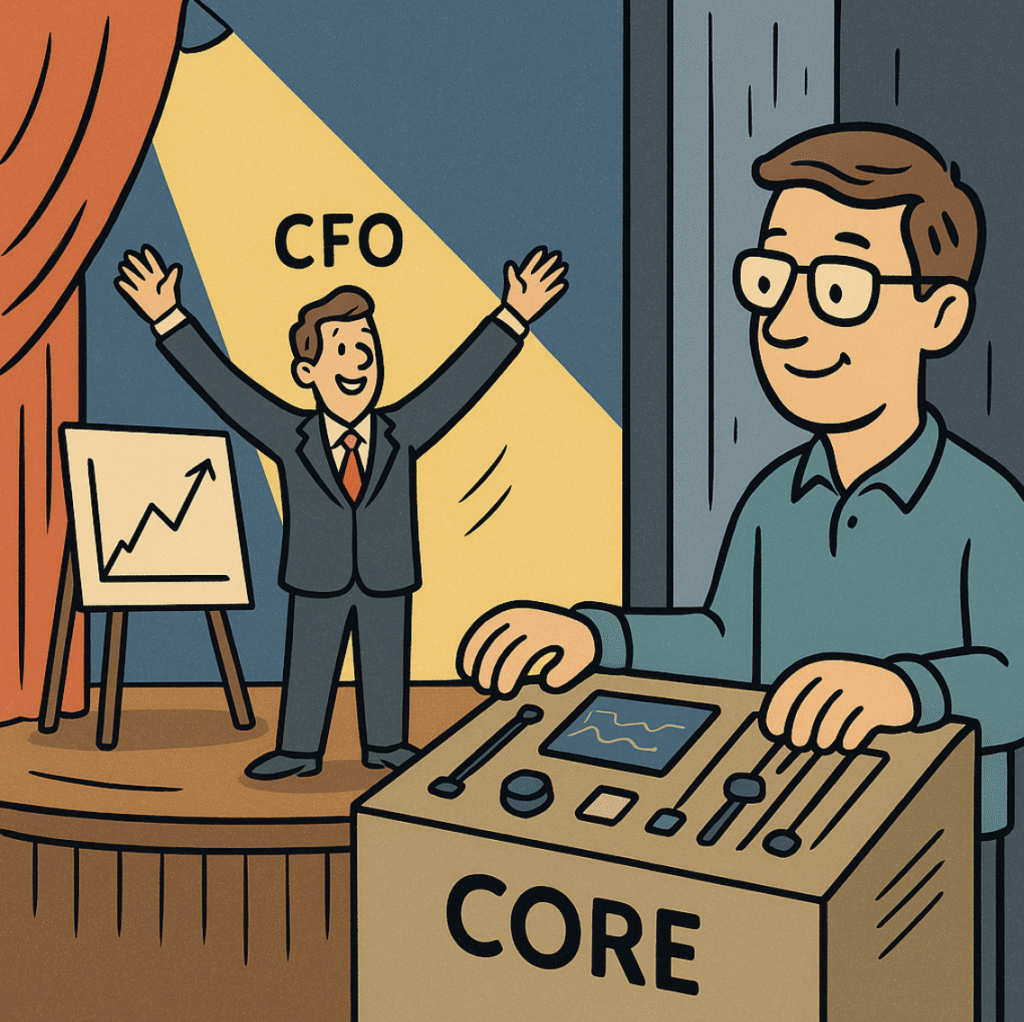
Fast forward to today, and we’re seeing the same thing. CORE is light-years ahead of traditional bookkeeping, but many accountants are still clinging to their outdated systems, convinced that their way is the best way. It’s the QWERTY keyboard problem—better designs exist, but switching is just too much work.
Breaking Free from Conventional Thinking
So, I did what any rational person would do—I left public accounting and built something outside of it. I created Actuarius, a business built on efficiency, integration, and the idea that bookkeeping can actually be valuable.
And here’s the best part: I don’t have to convince anyone. CORE works. It powers our services and makes them insanely profitable. If the industry eventually catches on, great—we’ll be ready. But if they don’t, we’ll keep doing what we’re doing, because we don’t need their validation.
A New Way Forward
At Actuarius, we operate with a simple philosophy: We think differently, and we work with people who see the future the same way we do. We don’t chase bad deals, and we don’t waste time trying to convince people who aren’t ready to move forward. Instead, we focus on building something better—and working with those who recognize its value.
If you’re tired of outdated systems and want to talk about where accounting is really going, let’s connect. And if you happen to know a dinosaur CPA still balancing their books with an abacus, maybe send them this post. 🦖